Mastering the Installation Of ADA Detectable Warning Panels – Cast In Place & Surface Applied
Installing ADA detectable warning panels can feel like a daunting task. But it doesn’t have to be! These panels are essential for guiding visually impaired individuals safely across surfaces. Whether you’re opting for cast-in-place or surface-applied methods, understanding the basics is key.
Why Install ADA Detectable Warning Panels?
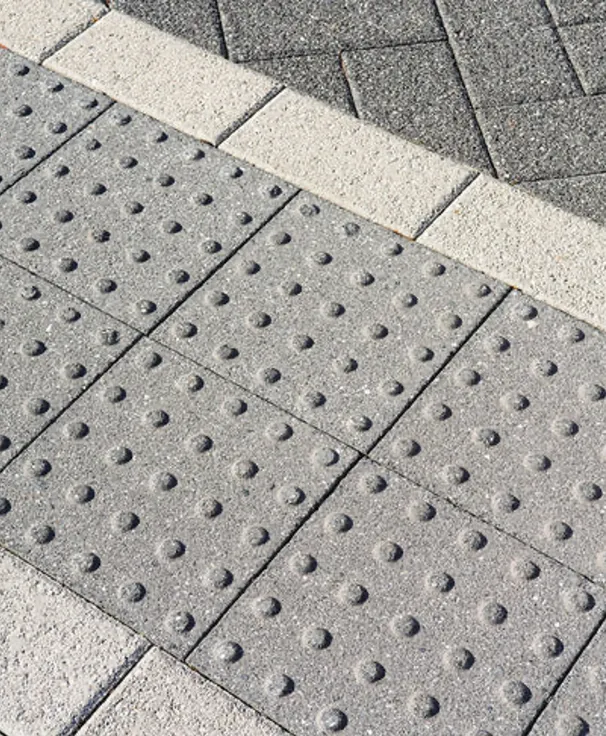
These panels serve a critical purpose. They alert individuals with vision impairments about changes in surfaces. Think of them as safety nets in our everyday environments. Without these panels, navigating sidewalks or public areas can be a challenge.
Choosing the Right Installation Method
There are two main ways to install these panels:
- Cast In Place: This method involves embedding the panels directly into the concrete during the pour. It’s ideal for new constructions.
- Surface Applied: This method is for existing surfaces. The panels are glued or adhered onto the surface. It’s a great choice for retrofitting.
Steps for Installation Of ADA Detectable Warning Panels
Let’s break down the installation process. Here’s how you can get started:
- Preparation: Ensure the surface is clean and dry. Any debris can cause problems later.
- Measurement: Measure the area where you want to install the panels. Precision is vital!
- Installation: For cast-in-place, place the panels in the wet concrete. For surface applied, use a strong adhesive.
- Finishing: Make sure everything is level and secure. This is crucial for safety.
Personal Experience with Installation
The first time I installed these panels, I was overwhelmed. I remember standing at the site, tools in hand, and wondering where to start. I chose the surface-applied method for an existing path. After measuring twice, I laid out the panels. The satisfying ‘thud’ as they secured into place was a relief! It felt good knowing I was making a space safer.
Common Mistakes to Avoid
Even experienced installers can make errors. Here are some pitfalls to watch for:
- Not following ADA guidelines can lead to non-compliance issues.
- Ignoring weather conditions can affect adhesion.
- Skipping the curing time may result in weak bonds.
Resources for Further Learning
For those looking to dive deeper, I recommend checking out truncated dome tiles. They offer great insights into the types of materials available and best practices for installation.
Final Thoughts
Installing ADA detectable warning panels is an important task. With the right approach, it can be done efficiently. Remember, whether you choose cast-in-place or surface applied, the goal is to enhance safety for everyone. So grab those tools and get started!